CAF Expands 2026 WAFCON to 16 Teams — 4 Nations Reinstated for Morocco Showpiece
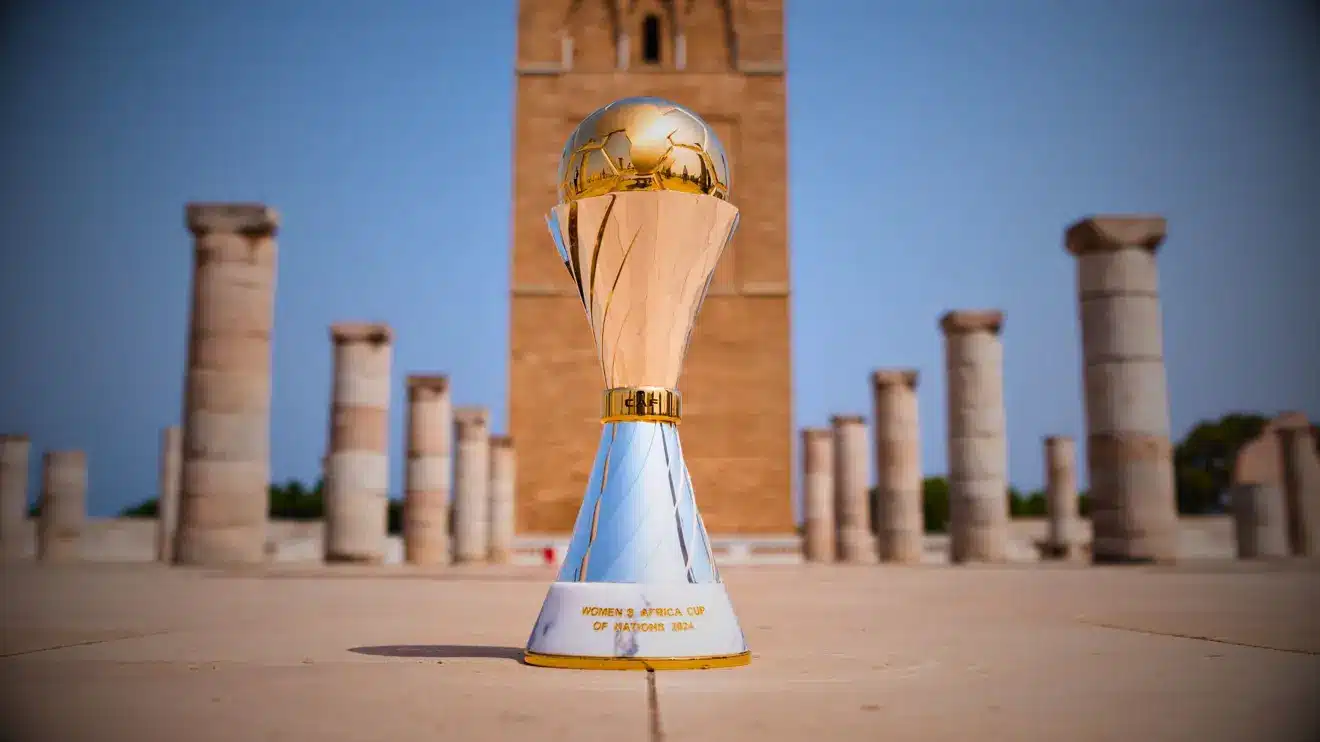
The Confederation of African Football (CAF) has officially expanded the TotalEnergies Women’s Africa Cup of Nations (WAFCON) from 12 to 16 teams, a historic step that will take effect in the next edition set for Morocco from 17 March to 3 April 2026.
The decision, confirmed after a CAF Executive Committee meeting, marks a new era for women’s football in Africa, broadening the competition’s reach and giving more nations a platform on the continental stage.
🌍 CAF Adds Four Teams to Complete the 2026 Line-Up
Since the qualification phase for WAFCON 2026 had already concluded under the 12-team format, CAF approved a ranking-based selection mechanism to determine the four new entrants.
Based on the current FIFA Women’s World Rankings, the following nations have been added:
- Cameroon (66th)
- Côte d’Ivoire (71st)
- Mali (79th)
- Egypt (95th)
They join the 12 qualified sides: Morocco (hosts), Zambia, Tanzania, Malawi, Algeria, Nigeria, Ghana, Burkina Faso, Kenya, Cape Verde, South Africa, and Senegal.
⚽ A Strategic Step for Women’s Football in Africa
CAF says the expansion aligns with its long-term strategy to elevate women’s football and make the WAFCON one of the most competitive and inclusive tournaments globally.
“This decision allows more nations to compete at the highest level and accelerates the growth of the women’s game across Africa,” CAF said in a statement.
The 2026 edition will now feature four groups of four, offering more matches, exposure, and opportunities for emerging teams to test themselves against the continent’s elite.
🌍 Road to the World Cup
Beyond continental glory, the TotalEnergies CAF WAFCON Morocco 2026 will also serve as Africa’s qualifying tournament for the FIFA Women’s World Cup 2027 in Brazil — adding another layer of importance to the expanded format.
Quick Snapshot — WAFCON 2026 Teams:
🇲🇦 Host: Morocco
🇿🇲 🇹🇿 🇲🇼 🇩🇿 🇳🇬 🇬🇭 🇧🇫 🇰🇪 🇨🇻 🇿🇦 🇸🇳 🇨🇲 🇨🇮 🇲🇱 🇪🇬
Diskiafrika Angle:
CAF’s bold expansion move means more dreams, more drama, and more representation — with traditional powerhouses like Cameroon and Egypt back in the mix, and newcomers like Cape Verde and Malawi ready to shake up the African women’s football scene.